Understanding Caloric Balance: How Many Calories Do You Really Need?
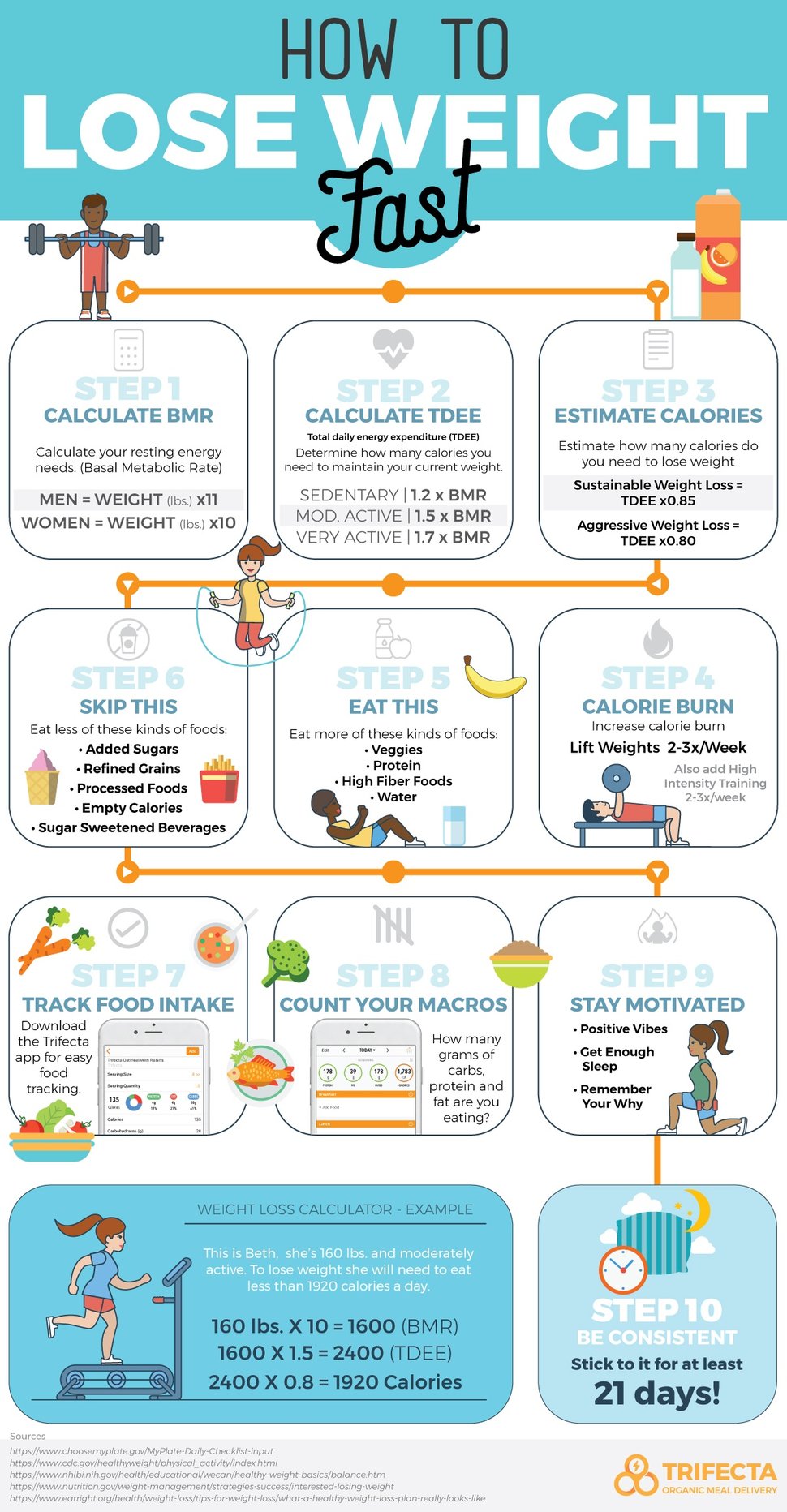
Understanding caloric balance is crucial for maintaining a healthy weight and overall wellness. At its core, caloric balance refers to the relationship between the number of calories you consume through food and beverages and the number of calories your body expends through various activities and metabolism. To find out how many calories you really need, you must consider several factors, including your age, gender, weight, height, and activity level. Each person has a unique basal metabolic rate (BMR), which represents the number of calories your body requires at rest to maintain essential functions such as breathing, circulation, and cell production.
To calculate your daily caloric needs, you can use formulas such as the Harris-Benedict Equation or the Mifflin-St Jeor Equation, which take into account your BMR and activity level. Here’s a simple outline to follow:
- Calculate your BMR based on your age, gender, weight, and height.
- Multiply your BMR by an activity factor (sedentary, lightly active, moderately active, very active) to get your Total Daily Energy Expenditure (TDEE).
- Adjust your caloric intake based on your goals: a deficit for weight loss, a surplus for weight gain, or maintenance for stable weight.
By understanding and applying the principles of caloric balance, you can make informed dietary choices that align with your health goals.
Top 10 Clever Food Swaps for a Healthier Diet
In pursuit of a healthier lifestyle, making clever food swaps can significantly impact your diet. By replacing less nutritious options with healthier alternatives, you can enjoy your favorite meals while improving your overall well-being. Here are ten ingenious substitutions that can help elevate your meals without sacrificing flavor:
- Greek Yogurt for Sour Cream: Use Greek yogurt as a creamy substitute for sour cream in dips and dressings, providing a protein boost without the extra fats.
- Zoodles for Pasta: Spiralized zucchini or other vegetables are a fantastic way to enjoy your favorite pasta dishes with fewer carbs and more nutrients.
- Cauliflower Rice for White Rice: Switch to cauliflower rice for a low-calorie, high-fiber alternative that can help control blood sugar levels.
- Avocado for Mayo: Avocado provides healthy fats and a creamy texture that can replace mayonnaise in sandwiches and salads.
- Sweet Potato for White Potato: Bake or mash sweet potatoes to enjoy a sweeter taste packed with vitamins and minerals.
- Almond Milk for Whole Milk: Almond milk is a lower-calorie option that’s also lactose-free, making it a great substitute for whole milk in cereals and smoothies.
- Chickpea Flour for All-Purpose Flour: Use chickpea flour in baking or cooking for added protein and fiber without the gluten.
- Honey for Sugar: Opt for natural honey to sweeten your beverages and dishes, which offers antioxidants along with sweetness.
- Dark Chocolate for Milk Chocolate: Choose dark chocolate with higher cocoa content for a treat that’s rich in antioxidants and lower in sugar.
- Fruit for Candy: Satisfy your sweet tooth with fresh fruits instead of candy, delivering essential nutrients along with sweetness!
Confessions of a Calorie Counter: My Journey to Better Eating
Counting calories was never on my radar until I realized how much my eating habits were affecting my health. Confessions of a calorie counter is not just a catchy title; it captures the essence of my journey towards better eating. Initially, I found the process daunting—tracking every bite and crunch felt tedious. However, as I immersed myself in the details, I began to see patterns in my food choices. This newfound awareness helped me recognize emotional eating triggers, leading me to make healthier alternatives.
Throughout my journey, I learned that counting calories isn't merely about restriction; it's about empowerment. I started enjoying cooking more, experimenting with new recipes, and incorporating a variety of whole foods into my diet. Here are a few key takeaways from my experience:
- Awareness: Understanding what I consume has made me more mindful.
- Balance: It's not about perfection; I still indulge occasionally.
- Community: Sharing my journey with others has kept me motivated.
By embracing the role of a calorie counter, I found a path that transformed my relationship with food.